
Raising the Lines, Expanding Jacksonville’s Future
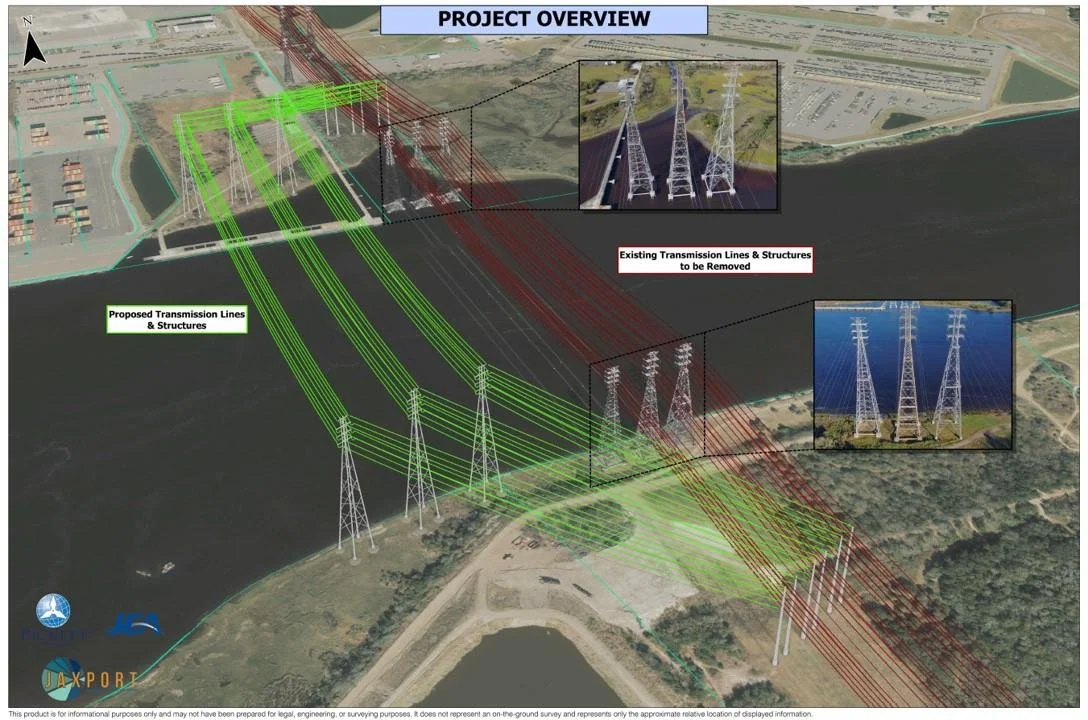
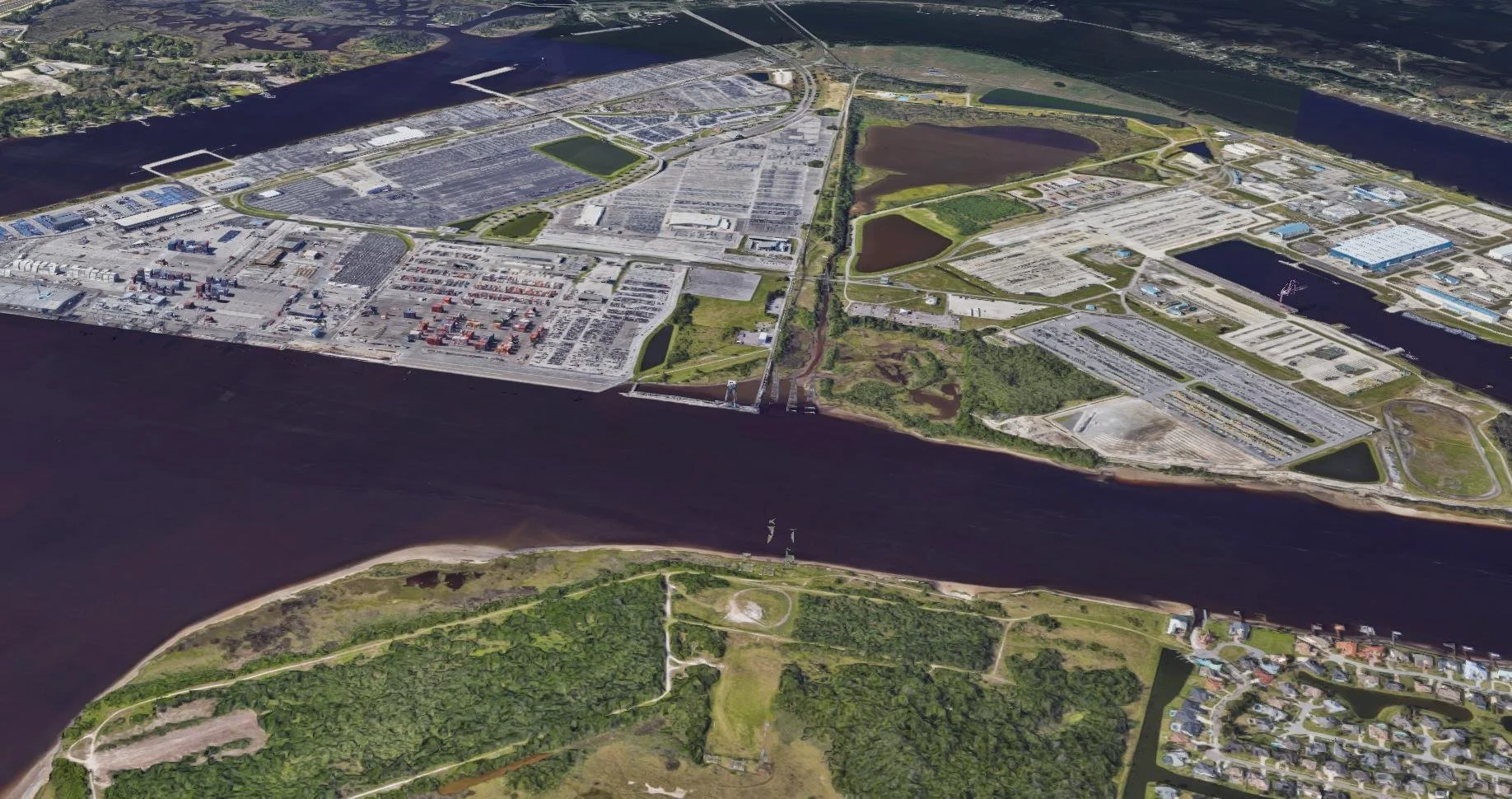
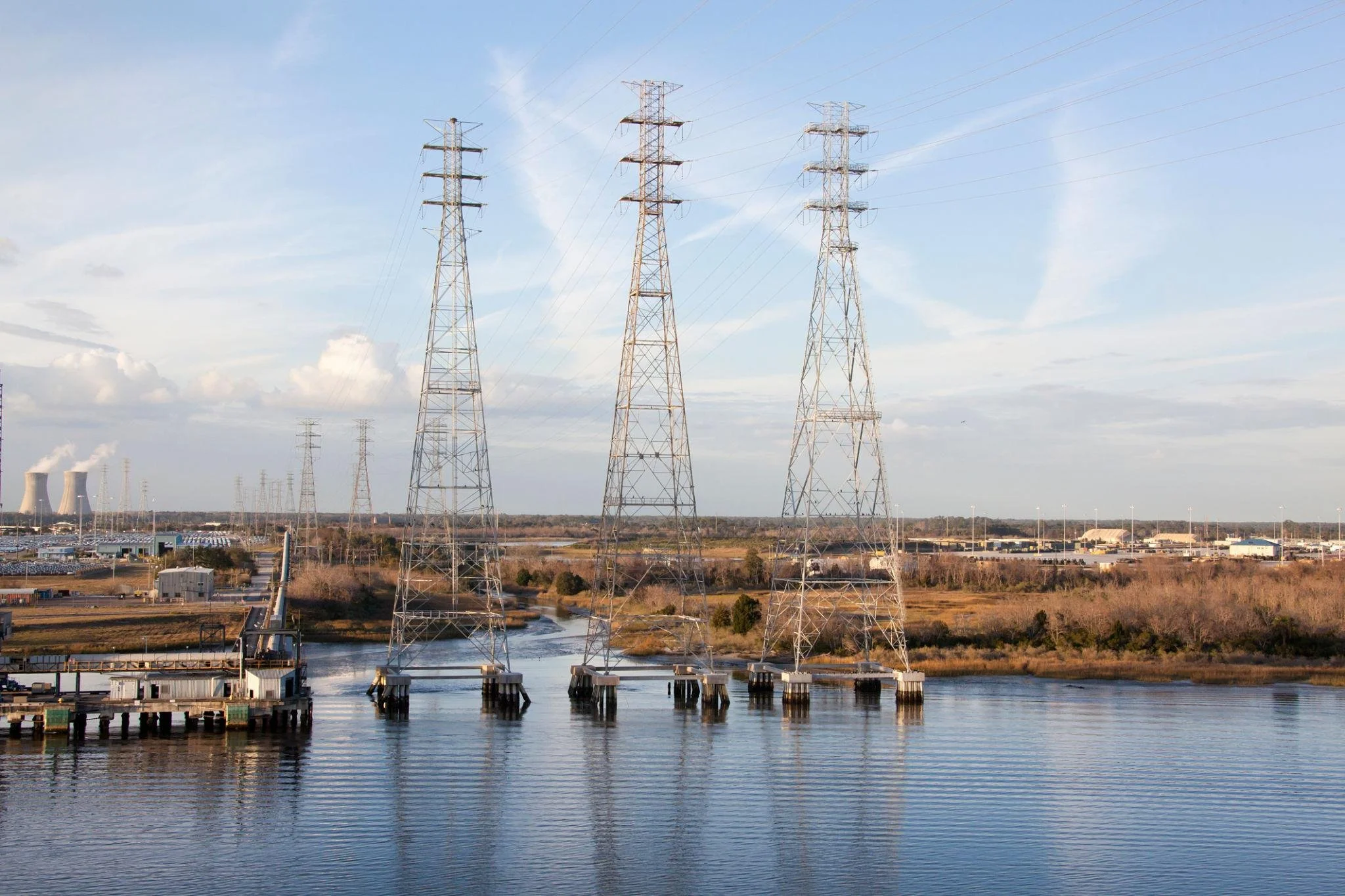
Photos courtesy of JEA.
JEA is raising electric transmission lines over the St. Johns River as part of the Fulton Cut Transmission Line Clearance Project. The approximately $117 million project will increase the height of the lines near Blount Island to 225 feet, providing about 205 feet of operational clearance for ships traveling beneath them.
While the project also includes upgrades to JEA’s electric system, its biggest impact could be what it allows to move along the river.
Making Room for Larger Cargo Ships
JAXPORT’s shipping channel was recently deepened to 47 feet to accommodate larger vessels. However, the height of the existing power lines remained an obstacle for some ships trying to reach the Blount Island Marine Terminal.
Raising the lines removes that height restriction and allows more modern container ships to safely access the terminal. Larger ships can transport more cargo in a single trip, helping Jacksonville compete with other major ports along the East Coast.
The added clearance could encourage shipping companies to add Jacksonville to more routes, increase the frequency of existing service and send larger vessels to the city. This could mean more imported goods arriving through Jacksonville and more opportunities for Florida businesses to export products to international markets.
Strengthening the Local Supply Chain
More cargo moving through JAXPORT benefits more than the port itself. Increased shipping activity can create additional demand for:
Truck drivers and freight companies
Warehouse and distribution centers
Dockworkers and equipment operators
Logistics and supply-chain professionals
Rail transportation
Customs brokers and other port-related services
Local manufacturers and exporters
Improved access could also help attract companies looking to locate near a major port. Warehouses, distribution centers and manufacturing facilities often choose locations based on shipping access, highway connections and available labor. Jacksonville offers all three, and the ability to accommodate larger ships makes the region even more competitive.
For local consumers, a stronger port can support a more efficient supply chain. While the project does not guarantee lower prices, moving more goods through a nearby port may help reduce transportation distances, delays and shipping costs.
What Could This Mean for Cruises?
The project’s primary purpose is to improve cargo access to Blount Island, but the additional clearance could also create more flexibility for Jacksonville’s cruise industry.
Modern cruise ships continue to grow taller and larger. Removing height restrictions along portions of the river may expand the types of vessels that could access Jacksonville facilities and provide more options when the city considers future cruise terminals or waterfront improvements.
This does not automatically mean that larger cruise ships or new cruise lines are coming to Jacksonville. Those decisions would require additional agreements, facilities and investments. However, increasing the available clearance removes one potential barrier and gives Jacksonville more room to pursue future cruise opportunities.
More cruise service could bring additional visitors to Northeast Florida, benefiting hotels, restaurants, transportation providers, attractions and small businesses. It could also give local travelers more vacation options without requiring a drive to Port Canaveral, Tampa or South Florida.
Supporting Jobs and Economic Growth
International container trade through Jacksonville currently supports approximately 15,000 jobs in the region. JAXPORT reports that all cargo activity through the port supports more than 258,000 jobs and generates approximately $44 billion in annual economic impact throughout Florida.
By allowing more and larger ships to reach Jacksonville terminals, the Fulton Cut project is expected to support continued trade growth, strengthen supply chains and create opportunities for businesses throughout Northeast Florida.
The new transmission infrastructure will also strengthen JEA’s electric grid and improve reliability for customers. The lines are expected to be connected by the end of 2026, followed by the removal of the older towers through summer 2027.
The project may look like a simple change in height, but its potential impact is much greater. Raising the power lines could help Jacksonville welcome larger vessels, move more cargo, compete for new shipping business and prepare for future opportunities on the St. Johns River.
Sources: JEA project update, JAXPORT Strategic Plan and JAXPORT 2026 State of the Port.