
Post-Freeze Plant Recovery Tips
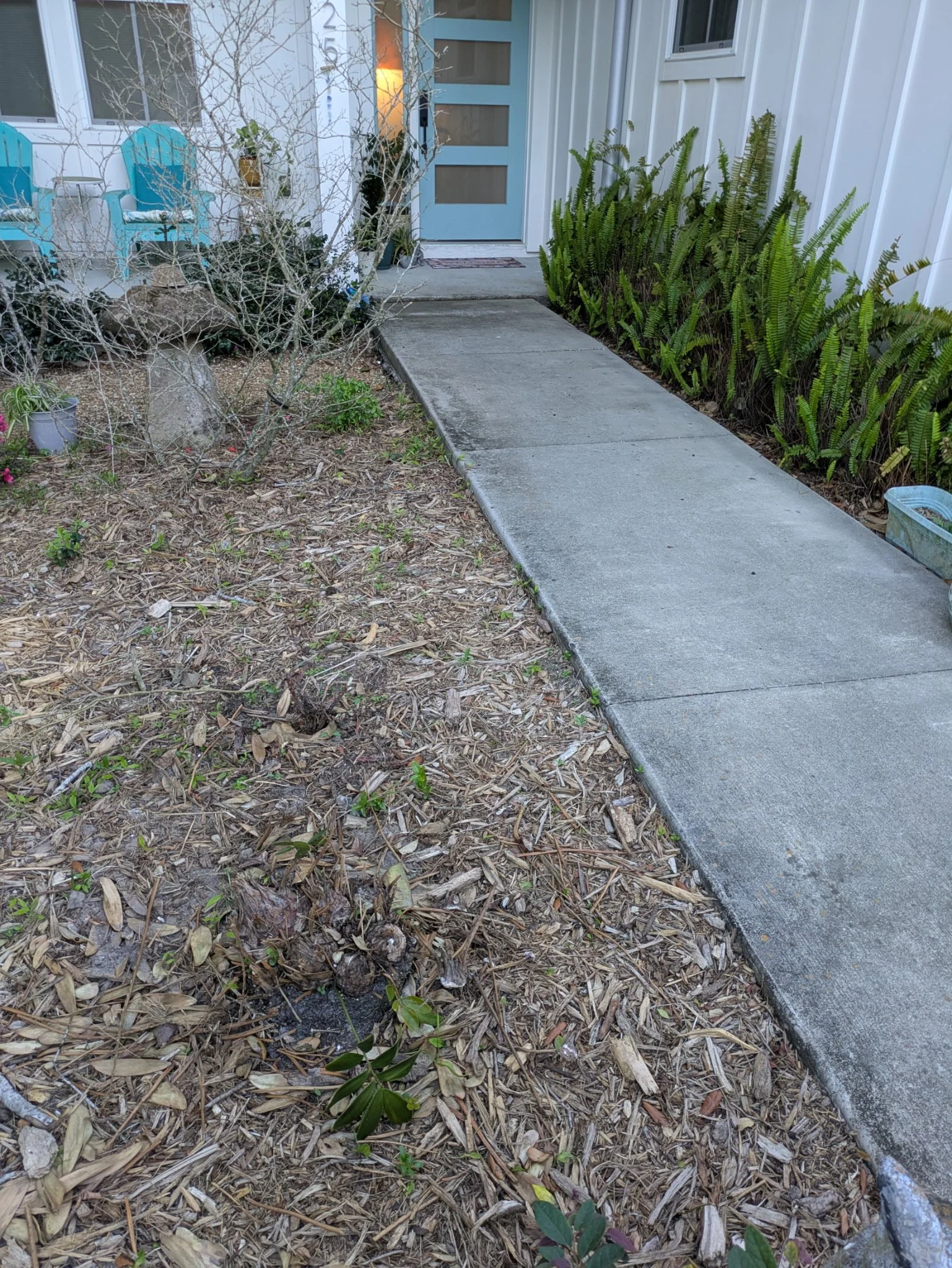
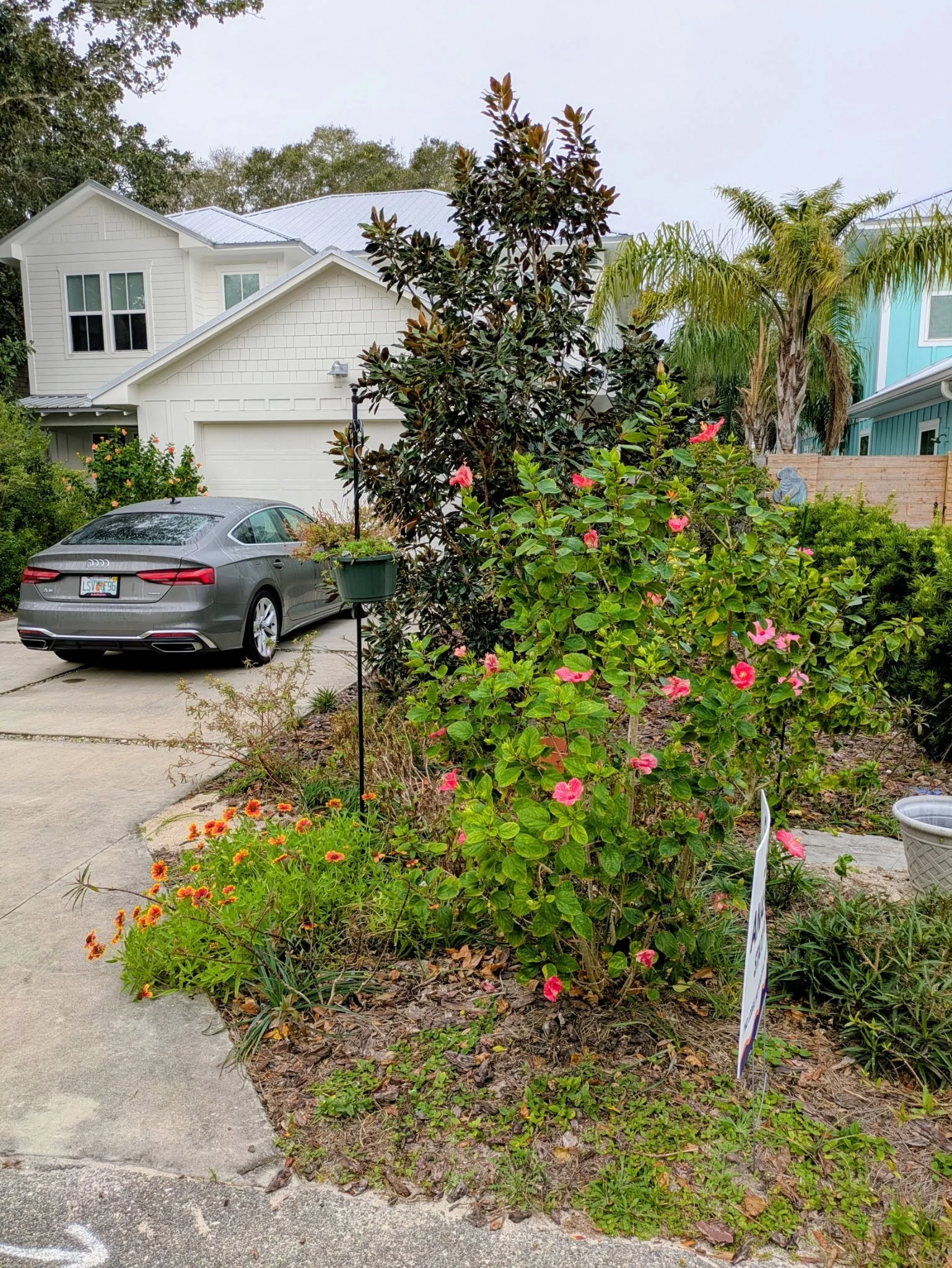
1. Don’t Panic-Prune Too Early (but now you can)
If you waited through winter, that was the right move
In April, you can safely:
Cut back dead, brown, brittle growth
Leave anything still green inside
Tip: Scratch the bark lightly
Green = alive
Brown = dead
2. Cut Back Hard (when needed)
Some plants look gone but are not:
Hibiscus
Bougainvillea
Firebush
Crotons
These often regrow from the base
Do not be afraid to cut them down significantly
3. Feed the Recovery
After stress, plants need nutrients:
Use a slow-release fertilizer
Or organic options:
Compost
Worm castings
Avoid heavy nitrogen overload. Use something balanced
4. Water Smart (not more)
Damaged roots do not absorb water well
Overwatering increases risk of root rot
Keep soil:
Moist, not soggy
Consistent, not extreme
5. Watch for “False Death”
Some plants come back late:
Palms
Perennials
Tropical shrubs
Give it until late April or early May before replacing
6. Replant Smarter (if needed)
Choose more cold-resilient options:
Native plants are the best long-term choice
Examples for North Florida:
Muhly grass
Coreopsis
Simpson’s stopper
Wax myrtle
Natives recover better after weather extremes
7. Plan for Future Freezes Now
Preparation matters more than reaction:
Keep frost cloth ready (avoid plastic directly on plants)
Use mulch to insulate roots
Water plants before a freeze to help retain heat
Group container plants near walls for protection
8. Refresh Your Soil
Freeze stress affects soil too:
Add compost to:
Improve drainage
Restore nutrients
This is especially important if plants died off
9. Lean Into Fast Wins
For quick recovery and visible progress, plant:
Zinnias
Sunflowers
Basil
Tomatoes
These grow quickly and bring life back to your space
Key Takeaway
This was not just bad luck. Weather swings are becoming more common.
The long-term shift is designing landscapes that can handle extremes, not just ideal conditions.